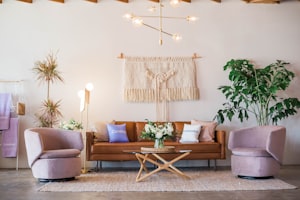
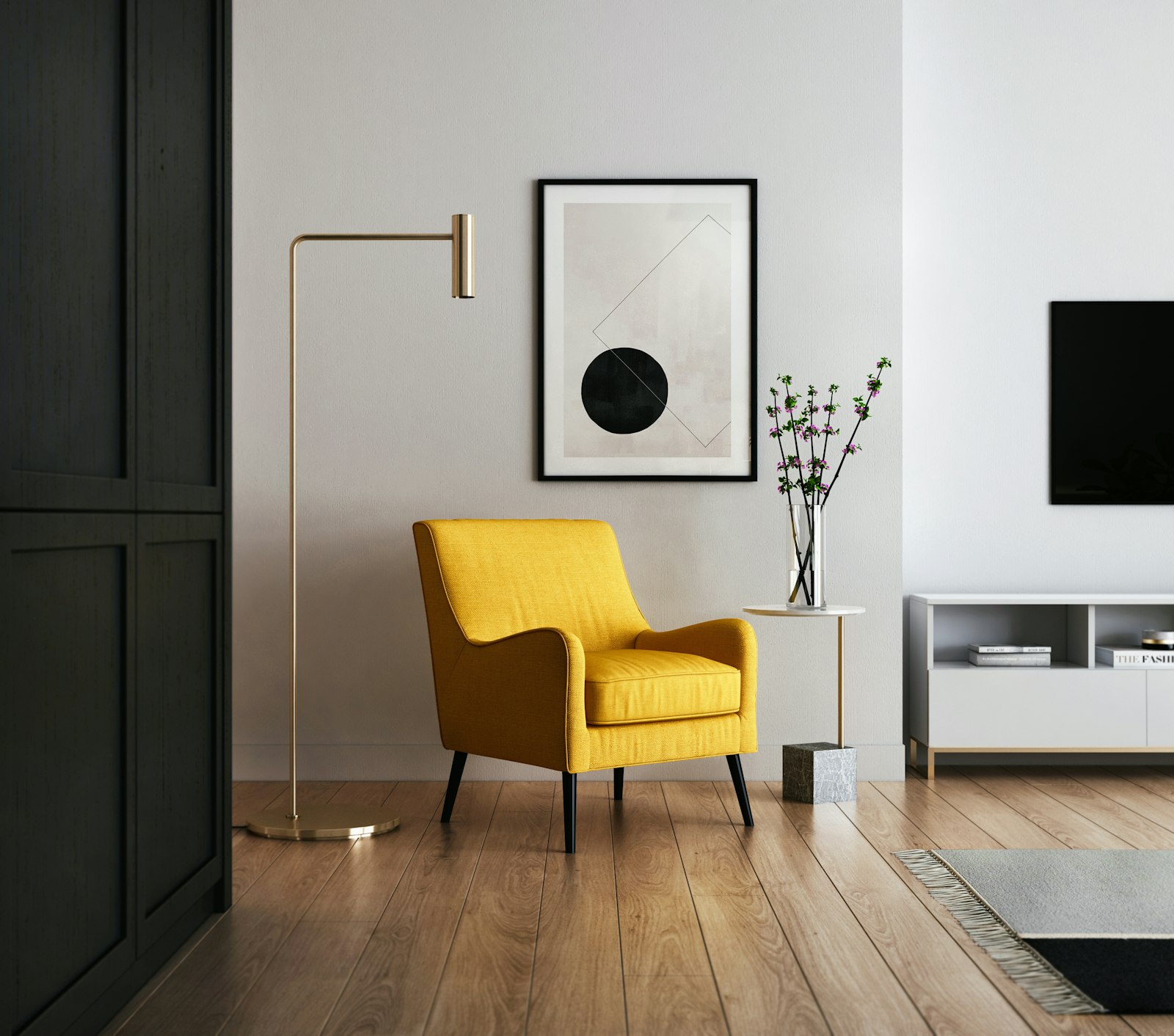
Minimalism often gets a bad rap for being cold, sterile, or overly austere. But true minimalism isn't about living in a white box with one chair; it's about intentionality. It's the art of curating a space that fosters peace and clarity, where every object has a purpose or brings joy.
The "Warm Minimalism" Approach
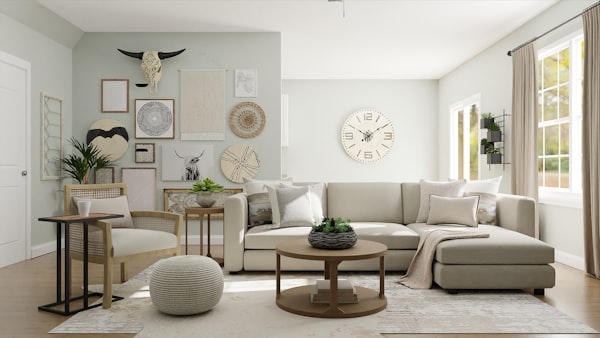
The key to making a minimalist space feel inviting lies in texture and tone. Instead of stark whites and glossy finishes, opt for:
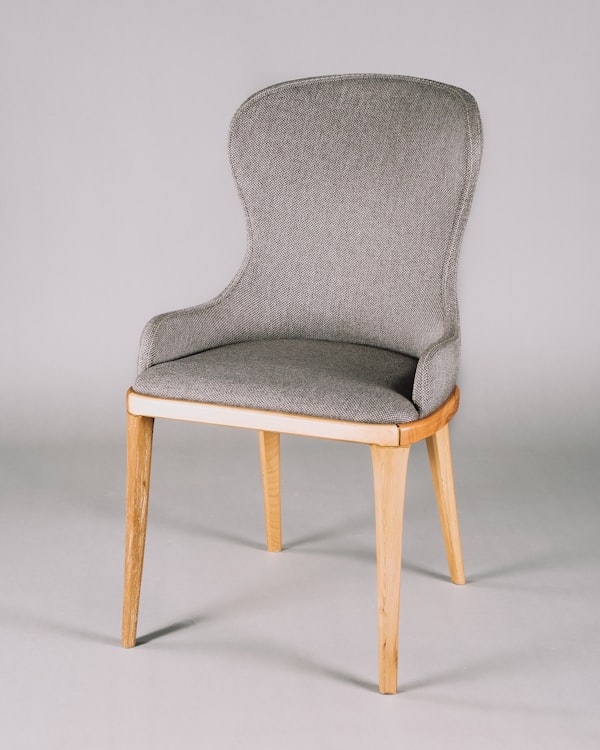
- Natural Materials: Wood, wool, linen, and clay add inherent warmth and imperfection that sterile surfaces lack.
- Earthy Palettes: Soft beiges, warm greys, terracottas, and sage greens ground the space.
- Tactile Textures: A boucle sofa, a jute rug, or a knitted throw blanket invites touch and comfort.
Curating, Not Just Purging
Don't just throw everything away. Start by evaluating what you own. Ask yourself: Does this serve a function? Do I love looking at it? If the answer is no, it might be time to let it go. However, keep the meaningful items—the family heirloom, the souvenir from a favorite trip. These personal touches prevent your home from feeling like a showroom.
"Minimalism is not about having less. It's about making room for more: more time, more peace, more creativity."
Functional Decor
In a minimalist home, decor often doubles as utility. A beautiful ceramic bowl can hold keys. A woven basket can store blankets. By choosing items that are both beautiful and useful, you reduce visual clutter while maintaining a lived-in feel.
Ready to start your journey? Begin with one room. Clear surfaces, add a plant, and swap harsh lighting for warm lamps. You'll be surprised at how quickly the atmosphere shifts.